|||
Schedule Your Consultation Today
_______Your Journey Starts Now_______


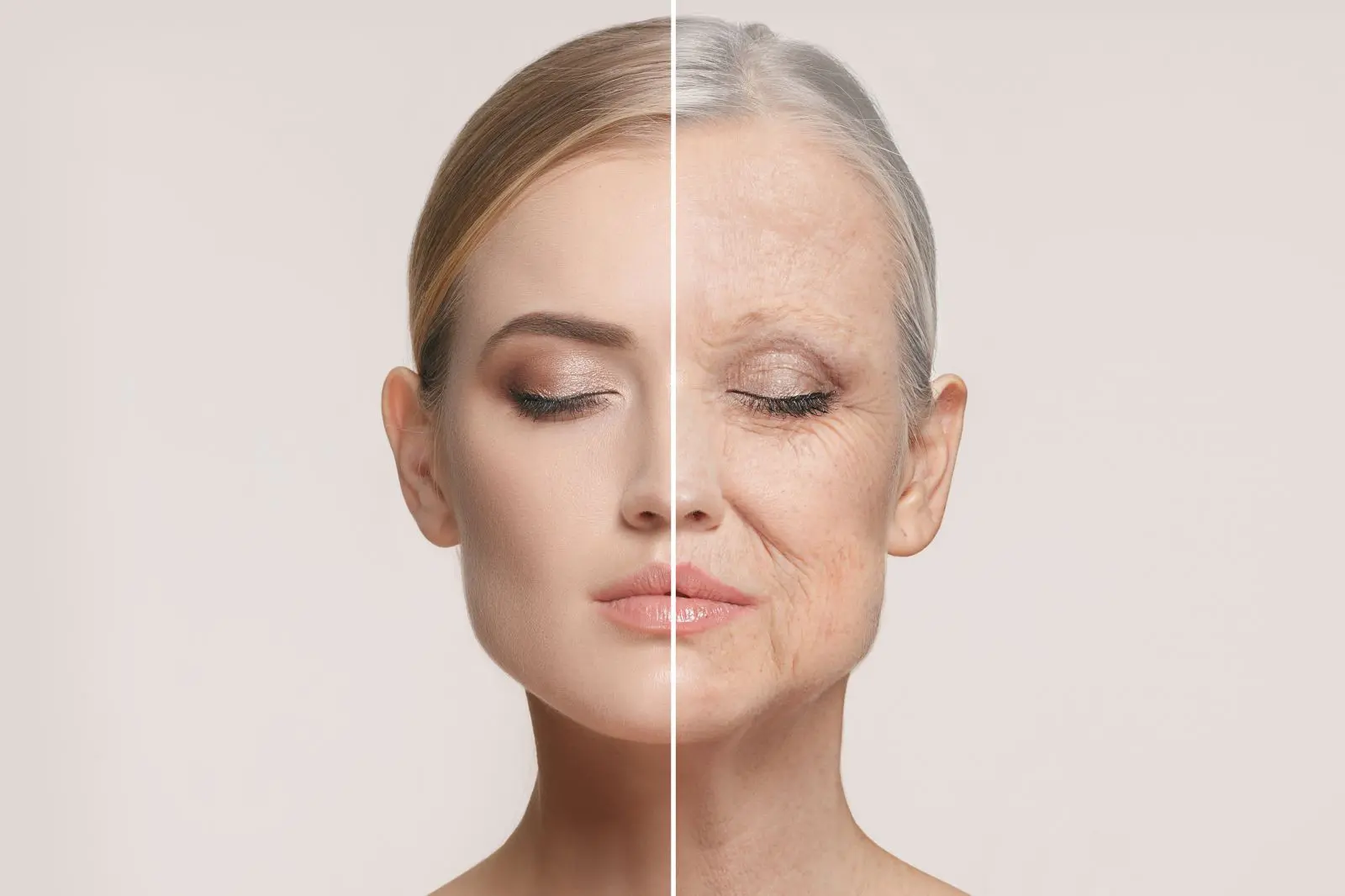
Facial aging is a natural and inevitable process, but the way it affects each person can be very different. Many people associate aging of the face primarily with wrinkles and fine lines. While these are visible signs, they are often not the root cause of an aged appearance. In reality, facial aging is a complex combination of changes involving skin quality, fat distribution, muscle activity, and underlying bone structure.
Understanding facial aging from a medical and anatomical perspective helps patients make informed decisions and set realistic expectations. Rather than focusing on quick fixes or surface-level changes, modern plastic surgery emphasizes restoring balance, structure, and natural proportions. This educational guide explains what truly causes facial aging, why volume loss plays a critical role, and how experienced surgical planning leads to more natural and lasting results.
Facial aging does not occur only at the surface of the skin. It is a multi-layered process that affects:
In younger faces, these layers work together to create fullness, smooth contours, and balanced proportions. As aging progresses, gradual changes occur at each level, leading to sagging, hollowing, and loss of definition.
One of the most misunderstood aspects of facial aging is that wrinkles often appear because of deeper structural changes rather than being the primary problem themselves.
Volume loss is one of the most significant contributors to facial aging. Over time, the natural fat pads that support youthful facial contours begin to shrink, shift, or descend. This loss of volume affects key areas such as:

As facial fat diminishes, the skin no longer has adequate support. This leads to sagging, deep folds, and shadowing that can make the face appear tired or aged, even when the skin itself is relatively healthy.
In clinical practice, addressing facial aging without considering volume loss often results in incomplete or unnatural outcomes.
Wrinkles are a visible sign of aging, but they are not always the main cause of an aged appearance. Many patients notice that even when wrinkles are treated, the face may still look tired or sunken. This is because wrinkles are often secondary to deeper structural changes.
Key contributors to wrinkles include:
However, when volume loss is ignored, treatments aimed only at smoothing wrinkles may fail to restore youthful balance.
Loss of volume in the cheeks is one of the earliest signs of aging on face. As cheek fat diminishes, the face loses its natural lift, and the nasolabial folds become more pronounced.
Hollowing under the eyes creates a tired or sunken appearance. This is often due to fat loss rather than excess skin alone.
With age, the jawline loses definition as skin and soft tissues descend. This can lead to jowls and a less defined lower face.
Temple hollowing is a subtle but important sign of facial aging that contributes to an overall skeletal appearance if left unaddressed.
Aging on the face affects individuals differently based on genetics, lifestyle, sun exposure, and overall health. For this reason, standardized treatments often fail to deliver natural results.
An effective approach to aging requires:
This is where experience and surgical judgment play a critical role.
With over three decades of experience in plastic and reconstructive surgery, Dr. Mohan Rangaswamy approaches facial aging as a balance between anatomy, function, and aesthetics. Rather than focusing solely on surface changes, his practice emphasizes understanding why the face is aging and addressing those causes safely and predictably.
Each patient undergoes a comprehensive facial assessment that evaluates:
This allows treatment planning to be individualized rather than trend-driven.
One of the most effective methods for addressing volume-related aging is fat grafting. This technique uses the patient’s own fat to restore fullness in areas affected by aging.
Fat grafting offers several advantages:
In experienced hands, fat grafting is not about overfilling but about strategic placement to recreate natural facial balance.
While volume loss plays a central role, skin quality still matters. Aging skin becomes thinner, less elastic, and more prone to fine lines. However, improving skin quality works best when underlying support is restored.
Treatments may focus on:
Addressing skin alone without correcting structural changes often leads to short-lived results.
Facial aging exists on a spectrum, and treatment options vary depending on severity and patient goals.
These may be appropriate for early facial aging and include treatments aimed at improving skin quality and subtle volume changes.
Surgical interventions are considered when structural aging becomes more pronounced. These procedures aim to reposition tissues, restore volume, and maintain natural expression.
The choice between surgical and non-surgical approaches should always be guided by facial anatomy rather than age alone.
Managing facial aging safely requires:
Dr. Mohan emphasizes techniques that minimize complications while delivering predictable, natural results. Experience plays a key role in identifying which areas require treatment and which should be left untouched.
Facial aging affects more than appearance. Many individuals report feeling that their face no longer reflects how they feel internally. Addressing facial aging thoughtfully can help restore confidence without altering identity.
The goal is not to look “younger” in an artificial way, but to look refreshed, balanced, and well-rested.
Facial aging treatment requires judgment developed over years of clinical practice. Small miscalculations can lead to unnatural results that are difficult to correct.
Dr. Mohan Rangaswamy’s extensive experience allows him to:
This experience-driven approach is especially important in advanced facial aging cases.
Facial aging is not something that should be rushed or treated with trends. It requires understanding, patience, and respect for anatomy. Education plays a vital role in helping patients choose treatments that align with their goals and long-term well-being.
By focusing on volume restoration, structural balance, and safety, modern facial aging management achieves results that are both natural and enduring.
Facial aging is a complex process that extends far beyond wrinkles. Volume loss, tissue descent, and structural changes play a central role in how the face evolves over time. Addressing these factors thoughtfully leads to more natural and satisfying outcomes.
With a patient-centered, anatomy-based approach and decades of surgical experience, Dr. Mohan Rangaswamy focuses on restoring balance rather than altering identity. For individuals seeking a deeper understanding of facial aging and its management, education and expert guidance remain the foundation of safe and effective care.